EP 36618 min
How Is AI Changing B2B Marketing?
with Ricky Baizas
Discusses the transformative impact of AI on B2B marketing strategies and tactics.
September 3, 2025Listen
Ravi Pimplaskar, a marketing leader and live storyteller with 20 years of experience in ad tech, reveals that live storytelling and marketing campaigns share the same DNA: both require a clear moral, a desired emotional reaction, and a relatable opening. His Hemingway-inspired six-word campaign exercise forces teams to find the core message before building anything, and his halftime-show webinar format drove 5x registration goals by prioritizing entertainment over product pitches.
Go deeper on this topic
The Content Alignment Playbook
A practical framework for keeping marketing, sales, and customer-facing teams on the same story.
Story Drift Analyzer
Check how clearly your positioning survives across your website, content, and AI surfaces.
What Is Story Drift?
Why messaging degrades as it moves through teams, channels, and AI systems — and how to spot it early.

Ravi Pimplaskar
Marketing Leader & Live Storyteller
Explores how AI is fundamentally changing search behavior and what it means for content.
“I looked at this guy and he was kind of sitting there awkwardly. He still went through his meal and everything and sat there and I wrote the words on my journal, man eats alone after fake emergency.”
“People remember how you make them feel. And so that product sheet might be great for the follow up, but make them feel something first.”
“Sure man, so you know I've been in marketing for quite a long time, 20 years, you know last 10 years in ad tech specifically, but you know I put on the top of my resume story teller, and the reason for that is because I first of”
The Six-Word Campaign Summary
Inspired by Hemingway's famous six-word story, Ravi challenges marketing teams to distill every campaign into exactly six words — forcing clarity on the core message before building any creative assets
The Halftime Show Webinar Format
Ravi's team replaced a traditional product-focused webinar with a sports-broadcast-style halftime show featuring expert analysis, superlatives, and predictions — driving 5x registration goals by prioritizing entertainment and energy over product pitches
Storytelling techniques applied to marketing campaigns Decision Framework
Use this episode to turn the main idea into a practical decision framework: define the audience problem, the desired business outcome, the proof or example that supports the claim, and the next action the content should create. This keeps the asset grounded in usefulness instead of internal preference.
Ravi00:02 — I looked at this guy and he was kind of sitting there awkwardly. He still went through his meal and everything and sat there and I wrote the words on my journal, man eats alone after fake emergency.
Ben Ard00:36 — Welcome back to another episode of Content Amplified. Today I'm joined by Ravi. Ravi, welcome to the show.
Ravi00:41 — great to be here, Ben.
Ben Ard00:42 — Yeah, Ravi, I'm so excited. This is going to be a fun topic, but your background more than almost any other podcast for today is extremely relevant. So if you don't mind sharing, tell us about yourself. Tell us about who you are, what you do, work history, all that fun stuff. So we can get caught up on that.
Ravi01:01 — Sure man, so you know I've been in marketing for quite a long time, 20 years, you know last 10 years in ad tech specifically, but you know I put on the top of my resume story teller, and the reason for that is because I first of all think that any sort of marketing I do kind of starts with getting the right story, but you know as we just sort of chatted about, I also do live storytelling as performance art, so.
really has become part of my personal and professional life and it's certainly a passion of mine.
Ben Ard01:25 — I love it. That's amazing. So today, as you can imagine, we are going to talk about how storytelling connects with how you approach marketing, what lessons you've learned from that whole system, and honestly, how that influences how you do marketing day in and day out. So first and foremost, let's talk about the similarities. Where does performing storytelling really mix into the whole marketing scene? What's the similarities? What are you learning in that space?
Ravi01:52 — Yeah, you know, I think that, you know, I was, ironically, I was on a podcast last year, a local podcast in Arlington, where they were asking me about my storytelling process for performing on stage. And, you know, I've been writing since the third grade. So that's sort of something that came natural. But when I started performing, you know, for storytelling, I had to create a new process. I realized I just, couldn't just write a story and read it. There was much more of a performance that went into it and a lot of practice, a lot of preparation that went into it.
And when I was describing my process on this podcast, realized, this is actually kind of similar to how I think through campaigns. you know, it's the thought of just breaking everything down. the best way I can kind of describe it is that when you're performing, there's an audience right in front of you. And you kind of need to focus on what they are thinking and what they want to take away. And the same thing really works with
marketing, right? You need to start with your audience. And you're trying to evoke a reaction, whether that's laughter, curiosity, trust, excitement. And that only happens if you understand who's listening. So I always kind of brought, there was three things that I really kind of quickly took away. One is that everything kind of starts with, what is your key message? What is that key takeaway? What is the moral? And I'm sure that there are storytellers who are great, who just go up there and spin a yarn.
That's not me, I need to actually have a moral. I think maybe it's because I grew up with ASAP's fables. I just needed those morals and so forth. But then, you I needed to kind of have that takeaway. But beyond that, I also felt like, all right, there's a desired emotional reaction that you want to give. And, you know, that can vary depending on what you're trying to do, and especially with marketing. Sometimes you just want to kind of educate. Other times you need to be a little bit more provocative and entertaining. And I think that's the last point is, you know, really being relatable to your audience by finding a way, interesting way to tell the story.
Ben Ard03:35 — I love that. Okay. So when you were just writing the content, like what you layered in the morals and all these things, and you said, okay, it feels a lot like the campaign side of things. What are those different elements? Like I imagine in storytelling it's okay. When do I pause? What's important to do this, this and here, how do I engage the audience? How do those specific like little side things actually translate to your marketing efforts?
Ravi03:58 — So as a creative writer, like in my past, I used to do this thing that I used to call like what Hemingway flash fiction. Are you, are you familiar with Hemingway stories, Ben?
Ben Ard04:07 — I'm an avid reader. can't say that I've read much if anything of Hemingway though. Like sad is to admit.
Ravi04:12 — So there is a story, I don't know, myth, legend, or true, whatever it might be, but Hemingway actually wagered with his friends that he could tell a full story just using six words. And somebody took that bet, and I'm sure with Hemingway it was probably for a drink, but he wrote, for sale, baby shoes never worn. And I mean, kind of haunting, kind of dark and stuff, but it shows how much emotion and meaning you can pack into just a few words. And so when I was doing creative writing, I used to start with, you
Hemingway story. And so there was one time, for example, I was out at a cafe and I observed this couple clearly meeting for a date and they sat there for five minutes and then the woman got up and left. And
I looked at this guy and he was kind of sitting there awkwardly. He still went through his meal and everything and sat there and I wrote the words on my journal, man eats alone after fake emergency.
And for me, all of sudden my mind went a bunch of places and so I just start there and I kind of rewrote and started writing a story about
this guy having all this empathy for what was probably a fake emergency on the girls thing and him thinking throughout the entire meal in his head, how could he help her, how he could still be there for her, how he could still win her heart, you know, and it just became like, kind of like this funny story, you know, about just this little anecdote. But I started doing that often and then years ago when I was running a content marketing team, I kind of thought the same idea would work for campaign planning. Like, so I challenged my team, like, hey,
Why don't you try to summarize all of your campaigns into six words? And that was really, I actually gave them a six word limit to try to come up with like that narrative. And I think they all looked at me like I was crazy at the time, but everybody had so much fun with it. Like we would challenge each other, try try to like, how do we get the smartest six words out of that? But once you actually get to that core, that six word core, like the campaign message, we were able to build so much around that by keeping that focus. And we really kind of knew the story that we wanted to tell.
So that six word epilogue helped us find the moral, that heartbeat of the campaign, before we even built the rest of it.
Ben Ard06:06 — Okay, that's amazing. I'm going to start trying that because I think that that is so cool. I love it. Obviously when you're doing storytelling, emotion plays a big role. You know, the emotion of different parts of things. How do you help your teams and yourself when it comes to building emotion into your campaigns and all of your marketing? Do you pick the emotion first and then the campaign or do you see where it takes you? What does that process look like?
Ravi06:32 — Yeah, you know, and I think, you know, when I was less seasoned, and I think I still see like a lot of less seasoned marketers, that they think about, you know, what they want people to think or do when they do with the campaign. And that's all, that's clearly important. You need to, you need to always do that. But, you know, sometimes we forget about how we want people to feel. And that's really kind of gets a little bit past the moral to evoking like kind of emotive response that you just really desired. I had an old boss, great guy, he said, have this saying, tell them what you're going to tell them.
and then tell them, which is awesome for clarity. You start with a key takeaway and you kind of write from there. But at some point I realized that kind of needed a bit of a tweak. We often get asked, what emotion do we want to evoke along the way? And if you think about it, the most famous campaigns that we've seen in our lifetime are built around emotion. Obviously, you're a basketball fan. The Nike Just Do It Jordan campaigns, they don't just tell you to go out and work out. It makes you feel inspired. You can do just anything.
Ben Ard07:21 — yeah.
Ravi07:25 — You know, and that's sort of the emotion that they wanted to evoke. you know, from a storytelling perspective, you know, on stage, I always think about that. Like, okay, this is the emotion that I want the audience to feel when they're doing it. And I will tell you, my last two stories that I've done could not have been more different in that regard. I did a story on love, which, you know, I really wanted to lean into being like poignant and powerful and, you know, kind of really evoking that sort of emotional response. But the next one was about...
My one and only NASCAR trip that I ever went, was quite an adventure, then telling that story, was like, okay, here I want to kind lean more into humor and exaggeration and leave just people entertained and smiled. It wasn't about being meaningful in any way. And that really impacted how I kind of structured the story and went about the process. And in marketing, I want to bring that same emotional contention. So for example, last year my team...
had been doing webinars that were very much product focused, education focused. And so our entire thing was to educate. So there's a certain feeling you want to get. You want to come out across thought leaders and evoke an emotion of like, OK, I get that. And that was kind of intelligent. But over the course of the year, our business goals had changed. And we wanted to be seen much more as a premium level player. We wanted to elevate our brand equity. And so when I thought through that, I'm like, OK, talking about our product and tech, it really going to elevate in space?
a lot more interesting and provocative. When we thought about those brand goals shifting, I wanted to do something with a lot more energy. That's really what it came up to. I was like, how do we make people smile and laugh and nod and lean in more? And so what we did with the next webinar, instead of doing a product discussion, we turned it into a halftime show. We had experts breaking down the first half of the year. It was a sports broadcast complete with superlatives and then setting the stage and making predictions for the second half.
And it was like, you know, if you remember like, you know, the sports talk shows with a bunch of talking heads, that's sort of how the environment that we wanted to create. And, you know, our partners loved it. Like everyone we asked, our first choice partners, all were in once we told them the idea. We went five X times our registration goals. So it still worked from a demand gen perspective, but all because we thought differently about the emotion we wanted, this excitement and fun instead of like just using the information that we have. And that's really the trick.
Ben Ard09:12 — Mm-hmm.
Ravi09:32 — People remember, this is the saying, people remember how you make them feel. And so that product sheet might be great, kind of the follow up, but make them feel something first.
Ben Ard09:41 — Okay. I love everything there. What's so fascinating in the examples that you use, especially the Nike one, it's a very B2C example and B2C is really famous for being able to find stories and tell stories. A lot of the times in B2B, you're right. Like we stick with the product focused kind of bland element of content.
How did you come up with a half time idea? And in general, do you have a process for like figuring out how to make your B2B content actually entertaining? Any advice you can give on that? Because I think a lot of B2B marketers are scratching their heads, myself included. How do I make this entertaining, unique, and valuable while educational? But sometimes it's not readily apparent. How do you do that?
Ravi10:28 — Sorry, I had to wake myself up and you said the words B2B content. think I just automatically fell asleep. mean, isn't that like just saying the word B2B content just sort of makes you think like a total snooze fest and you want to take in that. know, honestly, all you're doing is listening to product features, product features, it will be a snooze fest because, know, at the end it, nobody really wants to be sold to when they want to be understood, right? They want to be related to. So I will try to flip the focus and
Ben Ard10:34 — you
Ravi10:55 — get my team not to think about what the product does, but what the audience gets. I mean, are we saving them time? Are we helping them reach their customers more effectively? Maybe we're making them a hero within their own organization. Once you can kind of focus on like, hey man, this is what this person really wants and here's what we can give to them, not just our product, it's an easier way to do it. It's that relatable experience. It's about having the empathy. So when I tell stories live,
on the stage, I'll always try to start with something relatable, whether that's a shared pain, a common situation, or even just a pop culture moment that we're kind of experiencing day to day. That's what's going to get people to lean in right from the beginning. You can feel the room shift when they recognize something, like heads perk up, and they kind of take notice. And I think marketing is no different. Your headline and your opening paragraph taps into something your audience actually experienced and can relate.
you'll get their attention, they'll lean in and they'll read the rest, is the important thing, or in the case of the halftime webinar, they'll listen to the rest. That particular one was an interesting thing for me because sports shows kind of, it is just a lot of talking, right? But people still tune in because they know something provocative's gonna happen, they wanna hear the analysis, everyone loves superlatives, like we said,
most overused trend, most overrated buzzword, people wanted to see what those things were. And we knew that that would be, you know, it's not exactly like the most technical like content, but it's fun. And so, you know, I don't think, you know, entertaining B2B content will always be about jokes or gimmicks, but it's about relevance. find something that is different and they're gonna care about. Make people like nod, laugh, think, you know, and say, yeah, that's me, I get that, you know, and I think they'll stick around.
I'm not talking about pyrotechnics or anything, just maybe a little bit of empathy, relatability, and a good opening sense.
Ben Ard12:44 — That's perfect.
And it's such a great place to start. I love how you focus on the right things. And you're starting with that tactical advice, so the opening sentence, make it relatable, all of that. OK, these episodes are short. We're running out of time. I have one final question. And thank you so much for the advice. When you're talking about live storytelling, any final words of wisdom that you have gained
from all of that experience that you feel like marketers can apply into their daily activities, their content writing, even their relatability with their customers and how they approach the marketing in general. Any final pieces of advice that you feel like the audience could gain from that.
Ravi13:24 — Yeah, you know, with the performance art of live storytelling, no one's just hopping up on stage, well hopefully not, and just winging it, because you know, every story that you see in a live show, written, rehearsed, right, and the more the prayer for you are gonna feel, like in the moment, and you know, I often get asked if I get nervous performing, and I do, but probably not for the reasons that you think of. Like, I'm not worried about public speaking, I've done that enough, I'm not worried about forgetting my lines or...
or even bombing. But what it does make me nervous is the vulnerability that comes from it. Like I'm putting myself out there, something personal that I created, my creativity, and what if people don't like it, right? And thankfully, I haven't completely bombed yet, at least. But I think in marketing, it's similar. You need to have that plan. You need to know your story, your audience, and the emotion that you want to evoke before you ever go on stage. I'm using air quotes with a campaign.
That takes kind of forethought and prep. You need to go into thinking, what's really gonna hit hard with this audience? But that's the great thing about marketing, right? That is different than live storytelling. It's not a one-shot deal, right? You can adjust and you can learn from it. Something doesn't land, hey man, use that as a learning opportunity and make it better the next time and evolve your message. And even on stage, honestly, I can do that in the middle of routine. If something didn't work and I need to adjust my story on the fly.
I'm seasoned enough to do it and I think that's sort of like what you need to take to your marketing. Don't be afraid to fail, try something and if it doesn't work, adjust and learn from it. And so, I think that preparation is what gives you the confidence and that confidence will then turn into like, hey, I'm not worried about failing because I know I'm just gonna make it better next time. it gives you that freedom to be a lot more creative and real in front of your audience and your marketing campaigns.
Ben Ard15:07 — Well, and just like what you're talking about right here, think great leaders like yourself give your teams and the people that you work with permission to have those experiences, to learn about that, to find the story and give them the permission to try things and to fail and see where it goes. And it's just a learning experience. So I think that's a great call out as well.
Ravi15:25 — Yeah, and I think, you know, my favorite leaders in my past have always led with empathy and decisiveness, and that's what I try to do as well. And if you have those two things, right, your team shouldn't be afraid to fail. They know that this is going to be a learning process. So I think if you give them that sort of box to play in, it just inspires more creativity.
Ben Ard15:43 — I love that. That's amazing. thank you so much for your time, your insights and everything today. This has been amazing. For anyone who wants to reach out and further the conversation with you online, how and where can they find you?
Ravi15:55 — You can find me on LinkedIn. if you actually ever want to come to a show, if you're in the DC area, I do a lot of shows for Better Said Than Done productions. My next one's in November.
Ben Ard16:05 — Very cool, I love it. And we will link to everything inside the show notes so you can connect and all that kind of fun stuff. Ravi, thank you so much for the time and the insights and everything you shared today. I really do appreciate it.
Ravi16:16 — Awesome, thanks Ben, this was a lot of fun.
About the guest
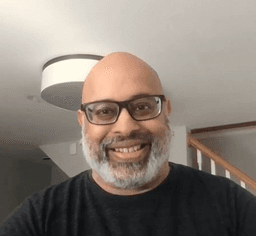
Marketing Leader & Live Storyteller
Marketing leader with 20 years of experience, the last 10 in ad tech. Identifies as a storyteller first, performing live storytelling as performance art alongside his professional marketing career. Writing since the third grade, he brings narrative craft to campaign development.
Continue Exploring
A practical framework for keeping marketing, sales, and customer-facing teams on the same story.
Open the playbookGet new episodes in your inbox
Join listeners who get episode summaries, key takeaways, and content strategy insights every week.
Ravi Pimplaskar applies three core storytelling principles to campaigns: define a clear moral or key takeaway, identify the desired emotional reaction, and make the opening relatable to your audience. Just as a live storyteller reads the room and adjusts, marketers should plan their emotional arc but remain agile enough to adapt based on audience response.
Inspired by Hemingway's famous six-word story ('For sale: baby shoes, never worn'), Ravi challenges marketing teams to summarize each campaign in exactly six words. This exercise forces teams to identify the core narrative before building any creative assets. Once you have that six-word core, everything else — copy, visuals, messaging — can be built around it with clarity.
Ravi emphasizes that entertaining B2B content is about relevance and empathy, not jokes or gimmicks. Focus on what the audience experiences rather than what the product does. His halftime-show webinar format worked because it tapped into familiar, enjoyable formats while still delivering industry insights through superlatives, trend analysis, and expert predictions.
Ravi explains that less experienced marketers focus only on what they want people to think or do, forgetting how they want people to feel. The most memorable campaigns — even in B2B — are built around emotion. His brand equity webinar drove 5x registrations because it prioritized excitement and entertainment over product features.
Live storytelling teaches preparation, audience awareness, and adaptability — skills directly applicable to marketing. Ravi explains that thorough preparation gives you the confidence to improvise when something isn't landing. In marketing, this translates to having a solid strategy but remaining agile enough to adjust messaging based on real-time audience feedback and data.
Join listeners who get episode summaries, key takeaways, and content strategy insights every week.