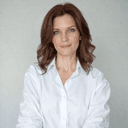
Benjamin Ard00:55 — Welcome back to another episode of Content to Close. And today I am joined by Cassie. Cassie, welcome to the show.
Cassie Watkins01:02 — Thank you, thank you so much for having me, I'm excited.
Benjamin Ard01:05 — Yeah, Cassie, this is going to be fun. This is story time at its finest. This is going to be a great episode. But before we dive into the story, Cassie, let's get to know you. If you don't mind sharing for the audience who you are, what you do, all that kind of fun stuff, we'd love to get to know you better.
Cassie Watkins01:21 — Yeah, yeah. So Cassie Watkins, I'm a sales enablement leader for a small division called Profiles. I don't know if we can disclose who we're working for. Not sure who you do, but I think it's okay if I say that.
Benjamin Ard01:31 — yeah.
Cassie Watkins01:34 — And yeah, I've been here for a year, but have been an enablement for, oh gosh, five years now. And in 2020, right when COVID happened, I made the move from sales to sales enablement. So former seller, I started selling actually back in 2010, doing door-to-door business sales. So talk about growing a thick skin, which I think has really
me well and served me well in my enablement position. You know, I've been in the trenches myself. So yeah, I'm outside of work. I'm ⁓ a busy mom, so if I'm not working, I'm chasing my girls around and you know, being outside and I love to nature, love to be outside. So yeah, that's just a little bit about me.
Benjamin Ard02:20 — I love it. Cassie, I am excited. This is going to be a fun episode. So we're going to go into storytelling mode right here. Cassie, last week you had a BDR approach you and they had an interesting experience. And from that, some content needed to be created. Do you mind like kind of going back in time to last week? What happened on the call?
Cassie Watkins02:38 — Yes.
Benjamin Ard02:43 — What did that lead to? I'd love to kind of let's set the stage and kind of let people understand what's going on here.
Cassie Watkins02:48 — Yeah, yeah, I was,
Joining my weekly check-in call with our BDR and our sales manager who I report to and going through the BDR on, you know, calls for the week, any, you know, coaching feedback, going through his task. And there was a call that had came up with a prospect where, you know, he probably could have handled it better. And I realized that this was not only a coaching opportunity for him, but a moment for me as an enabler to
better set him up for success the next time this happens. So anyway, basically on this call with the hot prospect that we've been chasing for a little while. The prospect, he was trying to get a meeting, set up a meeting with one of our AEs to take the ⁓ potential opportunity further.
And the prospect asked a question about one of our top competitors, wanted to know how we were better than them, if we could, know, how our audiences could be different than theirs given the type of work that we do. And he fumbled a lot, you know, the guy did not want to continue the call and didn't want to take a meeting. And, you know, I don't blame him because he really wasn't able to differentiate, probably went over a little bit over his head. So, yeah, this lit up a light bulb for me.
like all right I need to go listen to this call and get some talking points not only on how we're better than this competitor right or maybe how we're not but some objection handling you know some points too on how he could be better next so yeah it was ⁓ you know coaching point for both of us right I think for for him and for me as an enabler like ⁓ man why didn't I think of this before you know
which I think other enablers can empathize with. It feels like there's something every day that comes up that you wish you would have thought of before it came a problem.
Benjamin Ard04:35 — 100
% and what I love about this story and how we've started out first of all the collaboration to actually go and that BDR having the trust to be able to say hey I I think I may have fumbled the ball on this one a little bit and here was the call specifically here's what happened here's what I didn't feel like I could do I also love the trust on your side of things Cassie where you said
I wish I could have better prepared you in advance for this conversation. The accountability there as an enablement leader to say, okay, I am going to figure out how this situation never happens again. And from there, what's cool and kind of walk me through this. If you don't mind you wit and you didn't just say, great, I'm going to go create a piece of content. Here's how you do objection handling about our competitors, et cetera. You wait and sat on that call.
Cassie Watkins05:25 — Yeah.
Benjamin Ard05:26 — You went
into the recording. What was your frame of mind as you listened so that you felt like you could create content and training that actually would help benefit this individual in the future?
Cassie Watkins05:38 — Yeah, yeah, so yeah, thank you for first of all, for noticing the trust there. That's something that I really.
praise myself for and I think that every enabler should put first when it comes to having trust with their team is building that trust with them and you do that by really empathizing with them. to answer your question, luckily we have a call recording. Don't know if we can name drop technology and things like that. We use Apollo for not only our lead generation,
Benjamin Ard06:05 — Go for it. Yeah, go for it. Yeah. Yep.
Cassie Watkins06:13 — our database, finding leads, who to call out for, we use the Apollo dialer. It generates our sequences and things like that just to make the BDR work smarter, not harder, right?
So I went back and listened to this call, right? That's the first thing I wanted to do is to put myself in his shoes. Like, how, first of all, how would I have responded? Like, do I even know, you know, my stuff? Do I even know how to sell what we do here? So that was the first thing I did was put myself in his shoes. And, you know, I think I did an okay job. I could have done a lot better.
But that was the first thing I did is like put myself in my shoes. How would I have responded? And then kind of grade myself like, yeah, like you did a little bit better, but not that great. I don't know if you still would have gotten the meeting. So yeah, that was kind of like my first step and downloading that transcript and just kind of picking it apart from there.
Benjamin Ard07:03 — I love that. So once you put yourself in the shoes of the BDR in that conversation, and I love the honesty internally to say, Hey, let me role play that as if I was the BDR. Let me have the same conversation. Did I get to the meeting? All of that kind of stuff. What did that turn into? When it came to content and training, how did it influence it? What did it create? What did it look like to then go and
enable, I feel bad using the word enable so often because the the field sales enablement but to enable that individual to be better into the future in case you know the circumstance ever came up again.
Cassie Watkins07:41 — Yeah, you know.
I think it, sometimes what I see produce, you know, content that already lives out there, it may not be like the natural flow of conversation, right? You may get, you know, an answer to an objection and then the next question has nothing to do with what that person may have combated to that. You know, it needs to be, it makes me think of, may be dating myself here, those choose your own adventure books, right? That's kind of,
how, and that's what sparked my idea to generate this content was, you know, it's not just about answering the next objection that might come up, it's the flow of the conversation, right? So, yes, we can reach better audiences than this competitor does because we own our panel. okay, you own your panel, what do you mean by that?
Well, we on our panel because we are originally Lightspeed. We've existed for 40 plus years. We've been acquired. It's this natural flow and not just these one-off questions that you commonly see. It's in that flow of that choose your own adventure. We opened this store and it led us down this hallway and now it's led us here.
Benjamin Ard08:54 — A hundred I used to read those books
all the time and I was so bad because I'd always find the bad ending somehow. But, when you're creating that content, what did that, what was the output of this choose your adventure kind of situation in your mind? Did it turn into a battle card? Did it turn into like a question and answer, follow this thought process storyline? What was like the output?
Cassie Watkins09:16 — Yeah.
So what the output is, is I have a playbook for our BDR, which is in a PowerPoint format. And essentially it is a everything that he would possibly need to access. His daily metrics, right? What we require him every day, his weekly metrics, his existing objection handling worksheet, his call script if he gets on the phone with somebody.
the AE territories. I mean it's his one-stop shop for everything he could possibly need. I feel like that's what a lot of sellers really need no matter what their type of selling they're doing is a one-stop shop for everything because there's just so much content out there. So that's how I handle a one-stop shop currently is just a PowerPoint of a playbook of everything they need to know. So essentially how this is going to work is it's going to be a slide that lives in this playbook of where he can
and it kind of un- it's like a flash card that flips around and kind of shows them this. And then there's a follow-up question that exists under that that will take him somewhere else. So eventually, depending on how much clicking this BDR does, it could open up a lot of tabs. But essentially it exists on this one living document and how we got there. So...
more of a flash card type thing than a battle card, yeah.
Benjamin Ard10:40 — Very cool. When you have this PowerPoint, and I love the experience that this BDR gets to go in, there's interaction, there's the flashcards, there's clicking for more information. Like you said, choose your own adventure. I can do the self-discovery phase and really focus on the areas that I need the most improvement on. How do you encourage them?
to take your material and every BDR, AE, everyone takes his enablement material and uses it differently. Do you have like a recommended usage? Is there a cadence that you recommend every so often going through this, going through it, practicing, you know, as you hand off this piece of content, is there any advice that you typically give to make sure that the individual and the other set, the other, other end of things is getting the most value out of that content? Yeah.
Cassie Watkins11:09 — Mm-hmm. Mm-hmm.
using it. Yeah, yeah.
think that's like the one of the most annoying things of being in an enablement role and it's probably just not enablement. You know, I know you have a background in marketing so you can probably empathize with this too is them actually implementing and using the content that you create. It's like, you know, banging your head up against a wall when somebody asks you to create something you create it and then they don't use it. It's like...
Just listen. But yes, no, to answer your question.
I tell them, know, this is, save it to your desktop, save it, you know, in your whatever calendar system that you use. We use ⁓ Outlook here and something that I've recently done with him to help him utilize these, the checklist and the playbook more efficiently is I've created a calendar invite on, it's like a meeting between him and I. We're not actually meeting, right? It's just an invite that pops up on his
with hey here's your checklist for the day that's inside this playbook open it up start logging you know the insights from your calls here which I don't know some people may argue that
It's a little micromanaging, but given the budget and working around with the tools that we have, it works, right? It's got him to use it and to implement it into his daily routine. There's a reminder at the end of the day too that reminds him, okay, let's wrap it up. Make sure you've updated your checklist for today with the insights that we're given, anything that happened today.
you
need to share with an AE, pass off meeting notes, you know. I don't know, 10 years ago me as a seller might have been, this lady is trying to micromanage me, but it's working. And like you said, he opens up, you know, with calls where he needs help with versus 10 months ago he wasn't doing that. So, yeah.
Benjamin Ard13:27 — I love that. And the dedicated time, the calendar invites. I've never heard of anyone doing that before, but I really do love the idea of saying, Hey, now is a great time to go through the enablement material. It's blocked off on your calendar. You don't have to feel guilty. I think a lot of times people don't go through content because they are so busy. So if you can create the time gap for them by scheduling a meeting,
Cassie Watkins13:47 — Mm-hmm.
Benjamin Ard13:53 — Now they don't have any excuses. It's the only thing that they should be doing. And that's where they focus, which is really cool. So I love it. Cassie, I love the story. I love how you found the problem, how you collaborated, put yourself in the BDR shoes. Obviously that comes from experience and sales, but you went through that process, created amazing content. And now you're at the point where this individual is enabled to overcome this hurdle in the future.
I think it's a great story, great process. Thank you so much for sharing. Cassie, for anyone who's listening, who wants to reach out and connect with you online, how and where can they find you?
Cassie Watkins14:28 — Yeah,
yeah, find me on LinkedIn, Cassie Watkins. I'm not a big Instagrammer or anything like that. So LinkedIn is the best way to find me. I love connecting with new people. Feel free to message me on there. And yeah, I love connecting with new enablers, especially if you're like a one.
person team like I am, you know, I used to be on a team of many where we all wore one hat and now I'm on a team where I wear all the hats. So ⁓ if you ever feel like you need any advice, no matter.
which team you're on. I've been in both settings and ⁓ love to connect with other enablers. I even started my own enablement chapter here in Nashville too. So if that's something you're looking to do in your own town, you know, I can help you with that too. We also love to grow our enablement society.
Benjamin Ard15:18 — I love that. Maybe we'll have to do a follow-up episode about how to start an enablement chapter in your city. think that's so cool.
Cassie Watkins15:22 — Yeah, I
didn't think about that as a subject topic, but yeah, maybe another time.
Benjamin Ard15:26 — That'd be fun. Yeah. Love it. Yeah.
Well, Cassie, thank you so much for anyone listening to this episode. If you scroll down to the show notes, Cassie's LinkedIn profile will be linked right there. So go scroll down, click on the link, connect with Cassie. Again, Cassie, thank you so much for the time and insights today. This has been amazing. Really do appreciate it.
Cassie Watkins15:45 — Thank you for having me. This was great.